
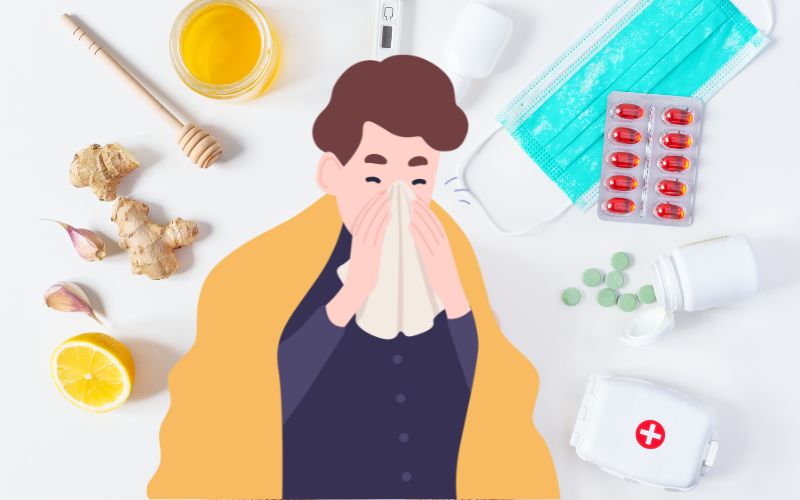
Many people believe coughs and colds only occur during winter. In reality, summer can also bring viral infections, sore throats, and persistent coughs. Family physicians in Vikaspuri frequently see patients with cold and cough symptoms during the hotter months, especially after sudden weather changes, excessive air conditioning, dehydration, or viral infections.
Although most summer colds are mild and improve within a week, some cases may require medical attention, particularly if symptoms persist or worsen. Understanding the causes, symptoms, treatment options, and prevention strategies can help you recover faster and avoid complications.
Can You Get a Cold and Cough During Summer?
Yes. A summer cold is usually caused by viral infections rather than cold weather. While rhinoviruses are more common during winter, enteroviruses and several other respiratory viruses can spread during warmer months. Frequent transitions between extreme outdoor heat and cold indoor air-conditioned environments may also irritate the respiratory tract and increase susceptibility to infections.
Common Causes of Cold and Cough in Summer
Several factors contribute to respiratory infections during summer:
Viral Infections
Viruses remain the most common cause of cough and cold throughout the year. They spread through coughing, sneezing, contaminated surfaces, and close contact with infected individuals.
Sudden Temperature Changes
Moving repeatedly between outdoor temperatures above 40°C and heavily air-conditioned rooms can dry the throat and nasal passages, making them more vulnerable to irritation and infection.
Dehydration
Hot weather causes excessive sweating and fluid loss. When the body is dehydrated, the natural protective lining of the nose and throat becomes less effective at defending against viruses.
Seasonal Allergies
Dust, pollen, pollution, and mould spores can trigger allergy symptoms that resemble a common cold. Unlike viral infections, allergies usually cause itchy eyes and sneezing without fever.
Low Immunity
Poor sleep, irregular meals, stress, and nutritional deficiencies may weaken the immune system, making infections more likely during summer.
Symptoms of a Summer Cold
Symptoms generally resemble those of a winter cold and may include:
- Runny or blocked nose
- Frequent sneezing
- Sore throat
- Dry or productive cough
- Mild fever
- Headache
- Body aches
- Fatigue
- Hoarseness of voice
Some viral infections can also cause stomach discomfort or diarrhoea, particularly when enteroviruses are responsible.
Cold or Allergy: How to Tell the Difference
Many people confuse allergies with viral infections.
| Cold | Allergy |
|---|---|
| Fever may be present | Fever is usually absent |
| Symptoms develop over 1–2 days | Symptoms begin immediately after exposure |
| Lasts around 7–10 days | May continue as long as allergen exposure persists |
| Body aches are common | Body aches are uncommon |
| Sore throat and cough are frequent | Itchy eyes and repeated sneezing are more common |
A family physician can help determine the exact cause and recommend appropriate treatment.
How is a Summer Cold Diagnosed?
Diagnosis usually involves:
- Review of symptoms
- Medical history
- Physical examination
- Throat and chest examination
- Temperature and oxygen level assessment
If symptoms are severe or prolonged, additional investigations such as blood tests, COVID-19 testing, chest X-ray, or allergy evaluation may be advised.
Treatment for Cold and Cough in Summer
Since most summer colds are caused by viruses, antibiotics are generally not required unless a bacterial infection is confirmed. Treatment focuses on symptom relief.
Your physician may recommend:
- Adequate rest
- Increased fluid intake
- Warm salt-water gargles
- Steam inhalation
- Saline nasal spray
- Fever and pain-relieving medications
- Cough medicines when appropriate
- Antihistamines if allergies are contributing to symptoms
Self-medication with antibiotics should always be avoided because they do not treat viral infections.
Home Care Tips
Simple measures can help speed recovery:
- Drink plenty of water and oral fluids.
- Eat fresh fruits and nutritious meals.
- Avoid very cold beverages if they worsen throat irritation.
- Maintain good indoor ventilation.
- Wash hands frequently.
- Cover your mouth while coughing or sneezing.
- Avoid smoking and second-hand smoke.
- Get adequate sleep.
When Should You Visit a Doctor?
Consult a family physician if you experience:
- Fever lasting more than three days
- Persistent cough for over two weeks
- Difficulty breathing
- Chest pain
- Wheezing
- Thick yellow, green, or blood-stained sputum
- Severe sore throat with difficulty swallowing
- Symptoms that worsen instead of improving
- Recurrent episodes of cough and cold
Young children, older adults, pregnant women, and people with diabetes, asthma, or heart disease should seek medical advice earlier.
Preventing Cold and Cough During Summer
You can reduce your risk by following these simple precautions:
- Stay well hydrated throughout the day.
- Avoid sudden exposure to extreme temperature changes.
- Maintain air-conditioner filters regularly.
- Wash your hands frequently.
- Eat a balanced diet rich in fruits and vegetables.
- Exercise regularly.
- Get sufficient sleep.
- Avoid close contact with people who have respiratory infections.
Looking for a Family Physician in Vikaspuri?
If you or a family member develops persistent cough, sore throat, fever, or cold symptoms during summer, timely medical evaluation can help prevent complications and ensure appropriate treatment. A qualified family physician can accurately distinguish between viral infections, allergies, bacterial illnesses, and other respiratory conditions to provide personalised care.
Conclusion
Cold and cough are not limited to winter. Viral infections, dehydration, allergies, and sudden temperature changes make summer respiratory illnesses surprisingly common. Most cases recover with rest, hydration, and supportive care, but persistent symptoms should never be ignored. Early consultation with an experienced family physician in Vikaspuri ensures the correct diagnosis, faster recovery, and peace of mind.