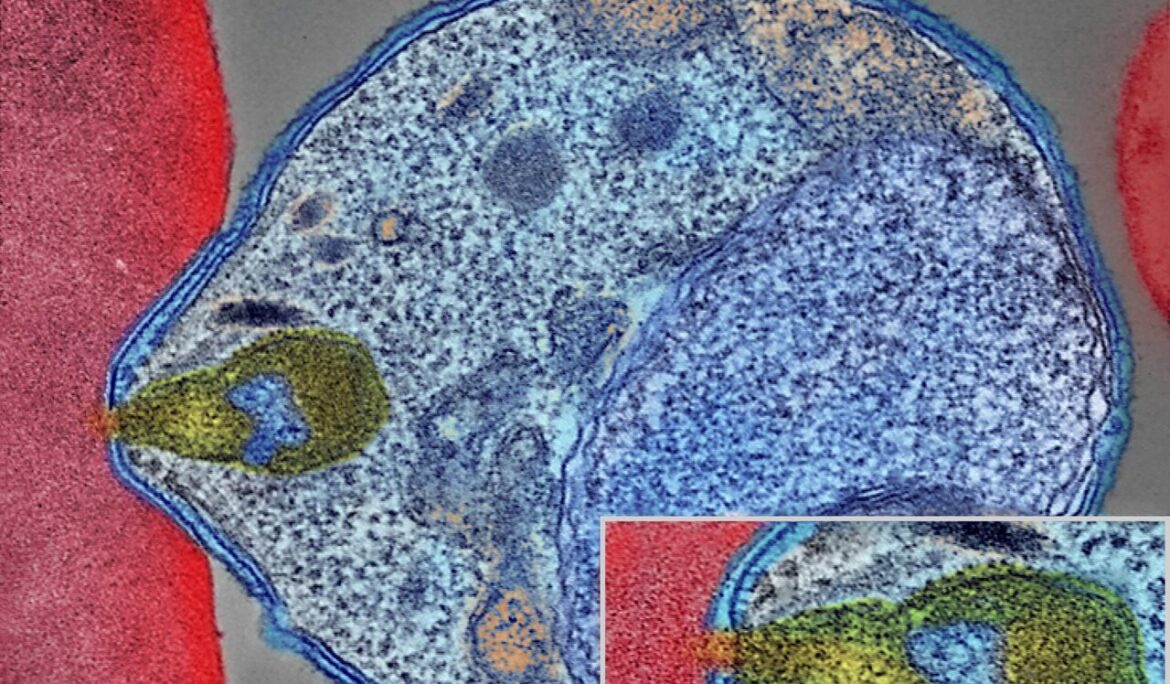
249 million malaria cases were reported worldwide in 2022, making malaria one of the most common mosquito-borne infectious diseases globally (World Health Organization). The disease spreads through the bite of infected Anopheles mosquitoes, which transmit malaria parasites into the bloodstream.
Malaria symptoms usually appear 10–15 days after an infective mosquito bite and often begin with fever, chills, sweating, headache, and fatigue. The infection affects red blood cells and can cause repeated fever cycles and systemic illness if not treated promptly.
Doctors diagnose malaria through blood tests such as microscopic blood smear examination or rapid malaria diagnostic tests. Early diagnosis helps confirm the parasite infection and allows doctors to begin appropriate antimalarial treatment.
Hospitals and doctors providing malaria treatment in Delhi manage the condition using recommended antimalarial medicines, monitoring of symptoms, and supportive medical care to prevent complications and support recovery.
Symptoms of Malaria Observed in Delhi Patients
Malaria symptoms usually begin 10–15 days after the infective mosquito bite, when the malaria parasites enter the bloodstream and begin infecting red blood cells. The illness often starts with a sudden onset of fever and systemic symptoms.
- Cyclical Fever Pattern
- Chills and Sweating
- Headache and Body Pain
- Gastrointestinal Symptoms
How Doctors Diagnose Malaria in Delhi Hospitals
Laboratory testing is required to confirm malaria because symptoms alone cannot distinguish malaria from other febrile illnesses. Doctors in Delhi hospitals perform diagnostic tests to detect malaria parasites in the blood.
Microscopic Blood Smear Examination
Microscopic examination of a blood smear remains the standard diagnostic test for malaria. A small blood sample is examined under a microscope to identify malaria parasites and determine the specific parasite species causing infection.
Rapid Diagnostic Tests (RDTs)
Rapid malaria diagnostic tests detect malaria parasite antigens in the blood within 15–20 minutes. These tests are commonly used in hospitals and clinics when immediate results are needed to begin treatment.
Complete Blood Count (CBC)
Doctors often perform a complete blood count test to assess changes in blood cells. Malaria infection may cause low platelet count, anemia, and other blood abnormalities that help support diagnosis.
Additional Laboratory Evaluation
Hospitals providing malaria treatment in Delhi may also conduct liver function tests or kidney function tests when patients show signs of severe infection.
Doctors use these diagnostic results to confirm malaria infection and select the appropriate antimalarial medicine and treatment plan.
How Malaria Is Treated by Doctors
Most uncomplicated malaria cases begin to improve within 48–72 hours after starting antimalarial medication (Medscape). Doctors treating malaria in Delhi hospitals begin therapy immediately after laboratory confirmation of the infection.
Antimalarial Drug Therapy
Doctors treat malaria using antimalarial medicines that kill malaria parasites in the bloodstream. The choice of medicine depends on the species of malaria parasite, severity of infection, and patient health condition.
Artemisinin-Based Combination Therapy (ACT)
Artemisinin-based combination therapy (ACT) is recommended as first-line treatment for most malaria infections. ACT combines two different antimalarial drugs that work together to eliminate parasites and reduce the risk of drug resistance.
Treatment Monitoring
Doctors monitor patients during treatment to evaluate fever reduction, symptom improvement, and parasite clearance. Blood tests may be repeated to confirm that the malaria parasites have been eliminated from the bloodstream.
Hospital Treatment for Severe Malaria
Patients with severe symptoms such as persistent vomiting, breathing difficulty, altered consciousness, or organ complications may require hospital admission. Hospitals in Delhi provide intravenous antimalarial medicines, fluid management, and supportive medical care for severe malaria cases.
Malaria Medicine Used in Treatment
Artemisinin-based combination therapy (ACT) is recommended as the first-line treatment for more than 90% of uncomplicated malaria cases worldwide. Doctors prescribe specific antimalarial medicines depending on the parasite species and severity of infection.
Artemisinin-Based Combination Therapy (ACT)
ACT combines two different antimalarial drugs to improve treatment effectiveness and reduce the risk of drug resistance. These medicines rapidly reduce the number of malaria parasites in the bloodstream and control fever symptoms.
Chloroquine
Chloroquine may be used for malaria caused by chloroquine-sensitive parasite strains. The medicine works by interfering with parasite growth inside infected red blood cells.
Primaquine
Doctors may prescribe primaquine to eliminate dormant malaria parasites in the liver, especially in infections caused by Plasmodium vivax or Plasmodium ovale. This medication helps prevent relapse of malaria infection.
Supportive Medicines
Doctors may also prescribe fever-reducing medicines, hydration therapy, and supportive treatment to control symptoms during malaria treatment.
Hospitals providing malaria treatment in Delhi select the appropriate antimalarial medicine and treatment schedule after laboratory confirmation of the parasite species and evaluation of patient symptoms.
Recovery Timeline After Malaria Treatment
Most uncomplicated malaria cases begin to improve within 48–72 hours after starting antimalarial medication, although complete recovery may take longer depending on the severity of infection.
Fever Reduction Phase
Patients often experience reduction in fever and chills within the first 2–3 days of treatment. Antimalarial medicines begin killing parasites in the bloodstream, which reduces fever cycles and other symptoms.
Symptom Recovery Phase
During the following 5–7 days, symptoms such as fatigue, headache, and body pain gradually improve as the body clears remaining parasites and recovers from infection.
Blood Cell Recovery
Malaria infection can affect red blood cells and platelet levels, so the body may require additional time to restore normal blood counts. Doctors may recommend follow-up blood tests to confirm recovery.
Follow-Up Medical Evaluation
Doctors providing malaria treatment in Delhi may schedule follow-up consultations after treatment completion. These evaluations help confirm that malaria parasites have been eliminated and that the patient has recovered without complications.
Conclusion
Malaria symptoms usually appear 10–15 days after an infected mosquito bite and can cause repeated fever cycles, chills, fatigue, and systemic illness. Early diagnosis through laboratory blood tests helps doctors confirm malaria infection and begin appropriate treatment.
Doctors treat malaria using antimalarial medicines such as artemisinin-based combination therapy, which is recommended as first-line treatment in most cases. With timely medical care, many patients begin to show improvement within 48–72 hours after starting treatment.
UK Nursing Home in Delhi provides medical consultation, laboratory testing, and treatment for malaria and other infectious diseases. Doctors perform blood tests such as malaria parasite detection and rapid diagnostic tests to confirm infection and begin appropriate antimalarial therapy.Patients experiencing persistent fever or suspected malaria symptoms can consult doctors at UK Nursing Home in Delhi for diagnosis, testing, and treatment guidance.